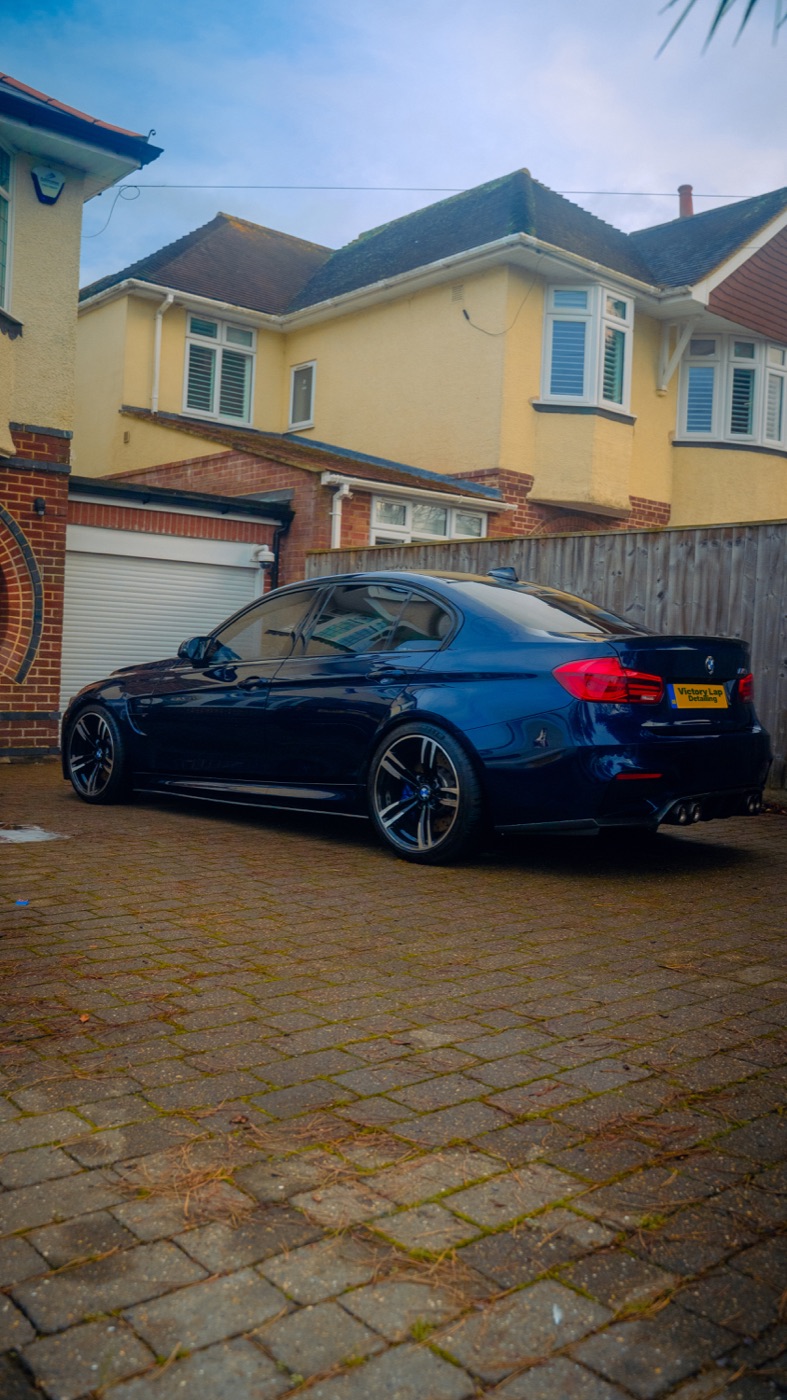
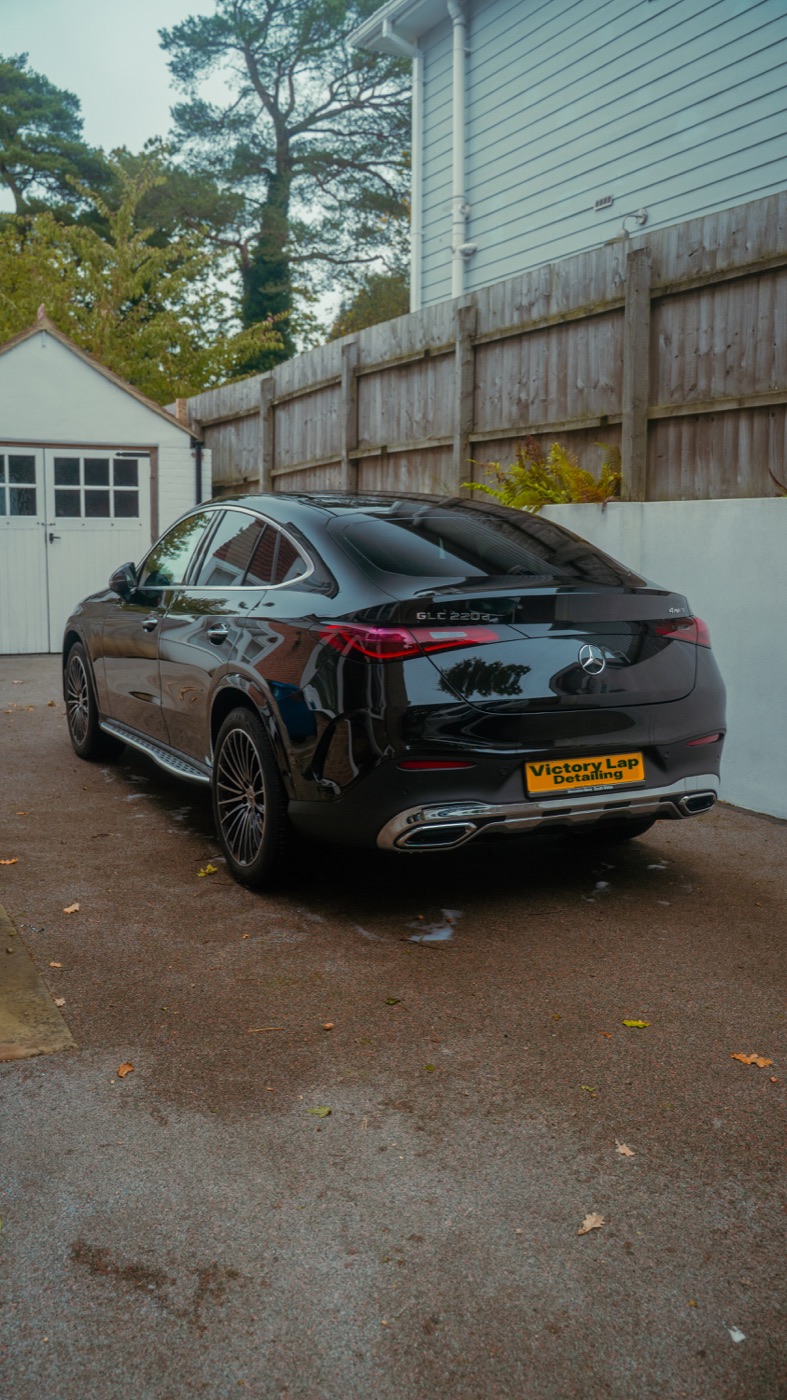
Years of Protection. One Application.

Lock in a deep, glossy finish that repels dirt, water and UV — and keeps your car cleaner for longer. Protection that pays off every single wash.

What's Included

  • Full decontamination & prep
  • Paint prepped for bonding
  • Professional ceramic coating applied
  • Years of protection
  • Repels dirt, water & UV
  • Deep, lasting gloss
Typical duration: 1–2 days
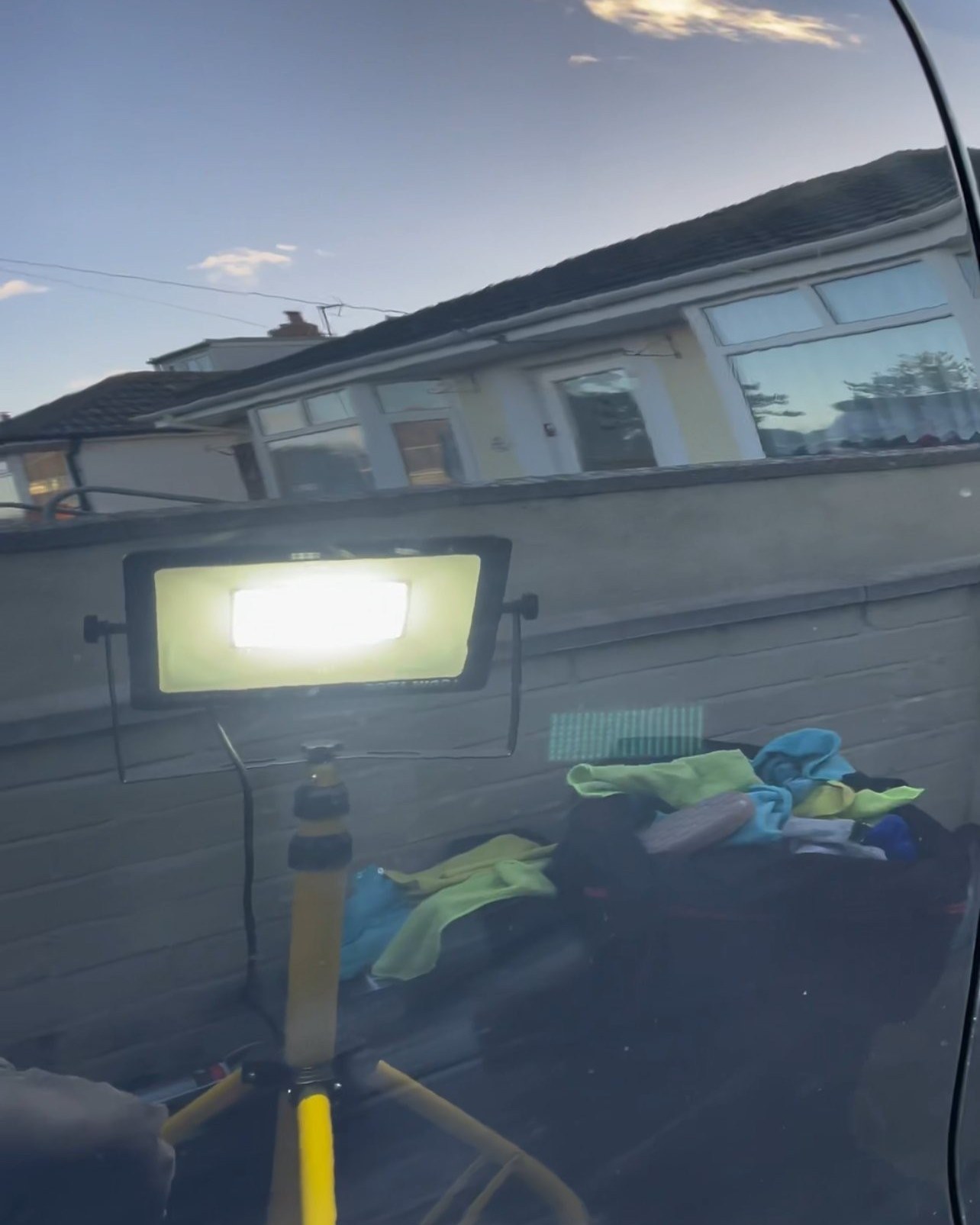
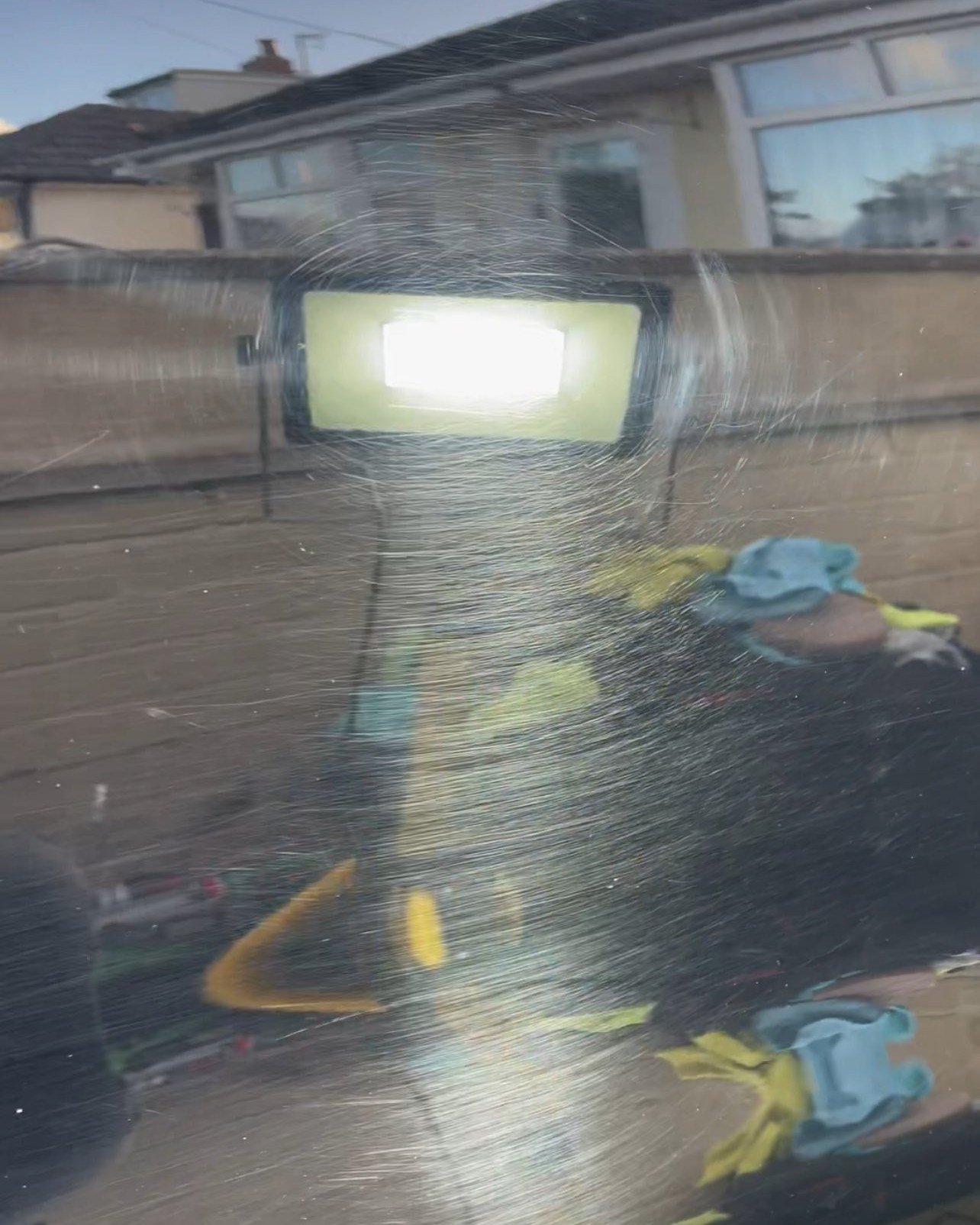
After — Victory Lap Detailing
Before
↔
BeforeAfter

Get Your Price

Estimated Price —
Book Now →
Optional Add-Ons
Pet Hair Removal+£45
Engine Bay Clean+£45
Leather Conditioning+£50
Carpet Protection+£40
Wax Sealant+£35
Odour Neutralisation+£55

Add any of these when you book and we'll include them in your quote.

100%

100% Satisfaction Guarantee — or it's not finished

If you're not completely happy when we hand the keys back, we'll put it right there and then. We don't pack up until you're delighted.
Book This Service Ask a Question

The Victory Lap Finish

Real details across Bournemouth, Poole, Christchurch & Dorset.

What a Ceramic Coating Actually Does

A ceramic coating is a liquid polymer that cures into a hard, glass-like layer chemically bonded to your clear coat. It isn't a wax sitting on the surface waiting to wash off — it effectively becomes the new outer surface of the car.

That matters most on the coast. Bournemouth, Poole and Sandbanks cars sit in salt-laden air that settles as a film, holds moisture against the paint and accelerates oxidation. A coating takes that instead of your lacquer.

Uncoated paint versus ceramic coated paint On uncoated paint, water spreads flat and salt, dirt and UV reach the clear coat directly. A ceramic coating bonds on top of the clear coat, so water beads and rolls off carrying dirt with it, and contaminants sit on the coating instead of the paint. UNCOATED SALTDIRTUV WATER SPREADS & SITS CLEAR COAT COLOUR BASE CONTAMINANTS BOND TO THE PAINT CERAMIC COATED SALTDIRTUV BEADS & ROLLS OFF CERAMIC LAYER CLEAR COAT COATING TAKES IT, NOT YOUR PAINT

The coating becomes the sacrificial surface. It bonds chemically to the clear coat and takes the salt, road film and UV instead of your paint. Because the surface is strongly water-repellent, rain sheets off and carries loose dirt with it — which is why a coated car stays visibly cleaner between washes.

Ceramic vs Wax vs Sealant

ProtectionTypical lifespanWater behaviourBest for
Wax6–8 weeksMild beadingA warm show-car glow before an event
Sealant4–6 monthsGood beadingSeasonal protection at lower cost
Ceramic coatingYearsStrong beading, self-rinsingLong-term protection, coastal cars, cars you keep

All three make a car look good on day one. The difference is how long that lasts, and how hard the surface works for you in between washes.

How We Apply It

1

Deep clean and decontamination

Snow-foam, safe hand wash, then chemical and mechanical decontamination to strip bonded contaminants. A coating will lock in anything left behind, so this stage is not negotiable.

2

Paint inspection and correction

We inspect under proper lighting. On most used cars we recommend a Stage 1 machine polish first — there is no point sealing swirl marks under a coating for the next few years.

3

Panel wipe and prep

Every panel is wiped down to remove polishing oils and residue. The coating needs a chemically bare surface to bond to properly.

4

Coating application

Applied panel by panel and levelled by hand within a specific flash time. Too early or too late and the finish suffers, which is why this is done methodically rather than quickly.

5

Curing

The coating hardens over the following hours. We'll tell you exactly how to look after it in the first week — mostly keeping it dry and away from automatic washes.

What a Coating Does and Doesn't Do

What it does

  • Repels water, salt, road film and dirt
  • Blocks UV that fades and oxidises paint
  • Keeps the car visibly cleaner between washes
  • Makes washing faster, easier and safer
  • Locks in a corrected, high-gloss finish for years

What it doesn't do

  • Stop stone chips or deep scratches
  • Replace the need to wash the car
  • Hide existing swirl marks — it seals them in
  • Survive automatic rollover car washes
  • Fix paint that's already failing or peeling

Ceramic Coating FAQs

What actually is a ceramic coating?
It's a liquid polymer, largely silicon dioxide, that cures into a hard, glass-like layer chemically bonded to your clear coat. Unlike wax, which sits on the surface and washes away, a coating becomes a semi-permanent part of the finish and is measured in years rather than weeks.
How long does it last?
A professionally applied coating lasts years rather than months. The variables are how the car is washed and where it's kept — safe hand washing and avoiding automatic rollover washes make far more difference than the product itself.
Does ceramic coating stop scratches?
No, and this is the most common misunderstanding. A coating adds chemical resistance and some resistance to light marring, but it will not stop stone chips or a key down the wing. For genuine physical impact protection you need paint protection film, which is a different product entirely.
Is it worth it if I park outside?
That's exactly when it's most worth it. Cars parked outside near the coast take constant salt-laden air and UV, which is what dulls Dorset paintwork fastest. A coating takes that punishment instead of your clear coat.
Do I still need to wash the car?
Yes — but less often, and it's much easier. Dirt struggles to bond to the coating and a lot of it simply rinses away. We recommend a regular safe hand wash and no automatic rollover washes, since those are what put the swirl marks in to begin with.
Should the paint be corrected first?
Usually, yes. A coating locks in whatever is underneath it, so applying one over swirled paint seals those defects in for years. On anything other than a genuinely new car we recommend a Stage 1 correction first — correct, then protect.
How long does the application take?
Typically one to two days. The paint has to be fully decontaminated, prepped and where necessary corrected, then the coating needs time to cure. It's not a job that can be squeezed into an afternoon.

What Dorset Drivers Say

★★★★★ 5.0 rating · 30+ Google reviews

Local Pages

CallBook Now