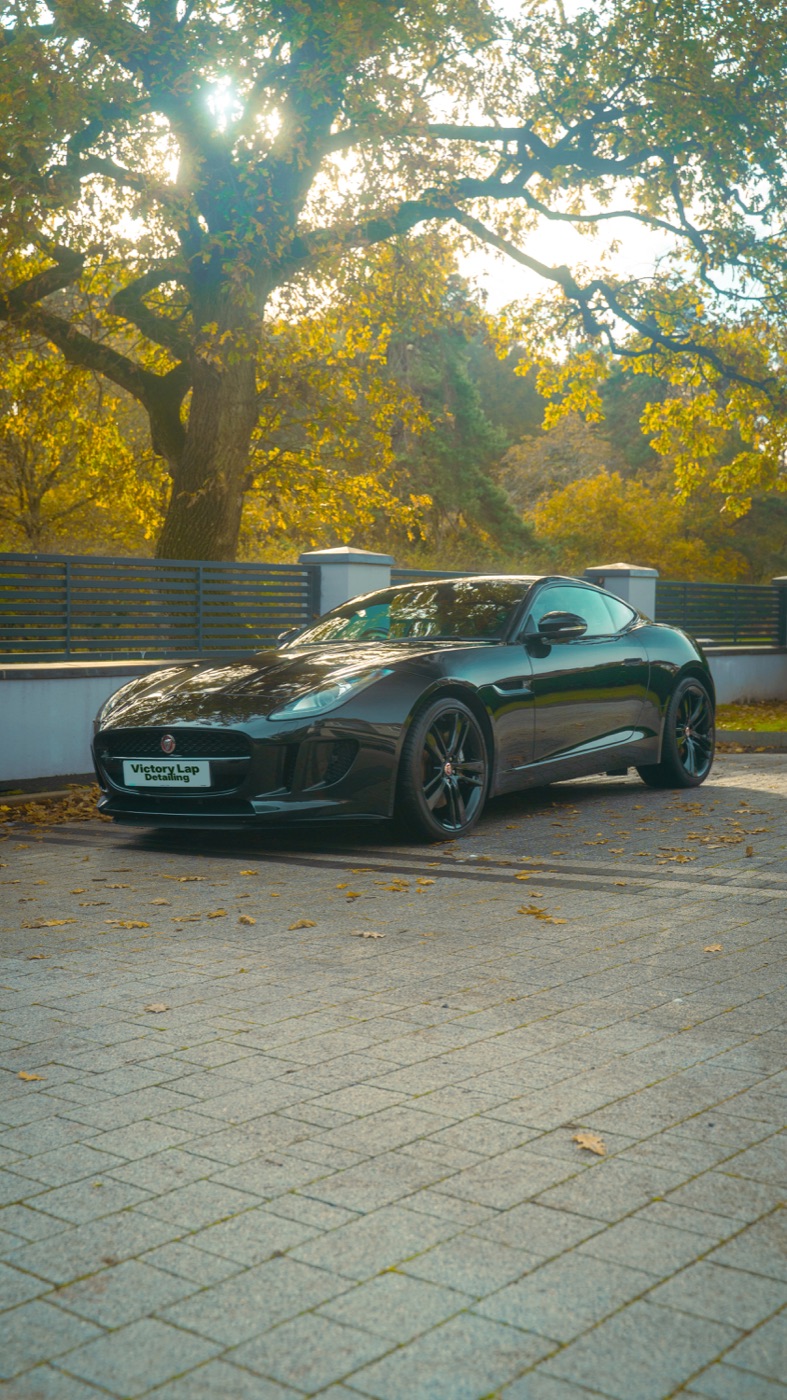
Bring Back the Depth and Shine

Swirls, light scratches and dull, tired paint — corrected. A single-stage machine polish restores the deep, wet-look gloss your paint had when it was new.

What's Included

  • Full safe wash & decontamination
  • Single-stage machine polish
  • Removes swirls & light scratches
  • Restores gloss, depth & clarity
  • Paintwork sealed & protected
  • A noticeably sharper finish
Typical duration: 1 day
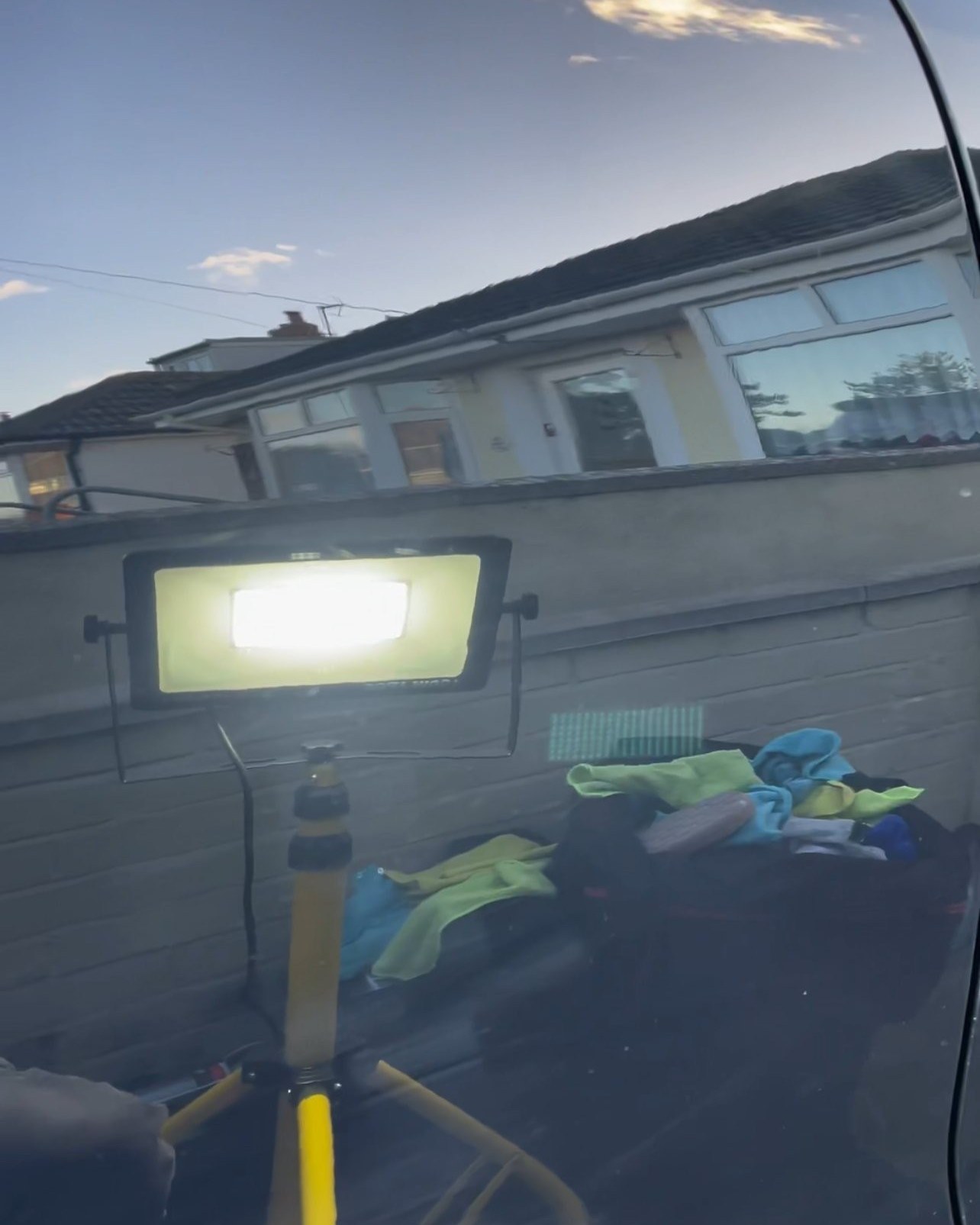
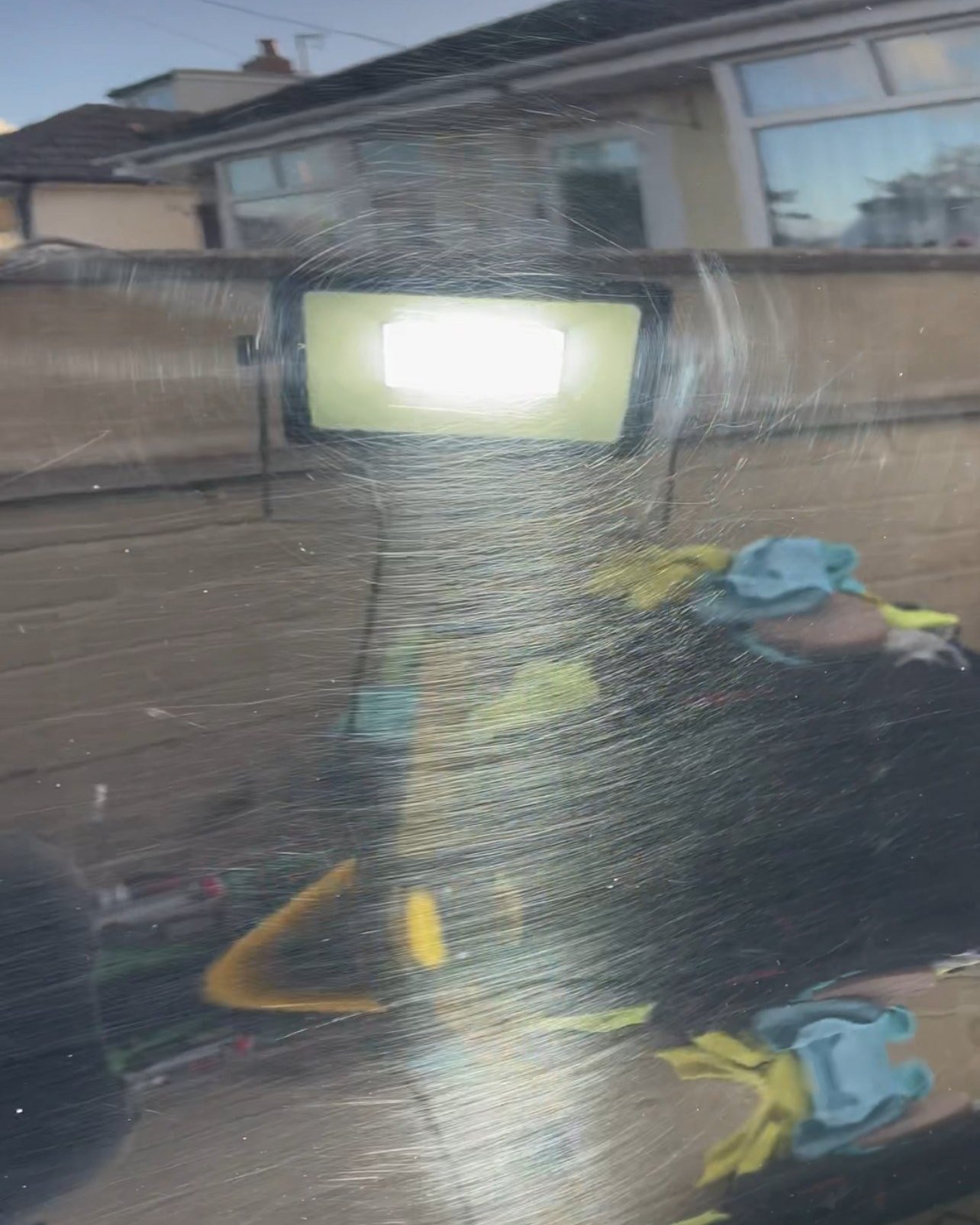
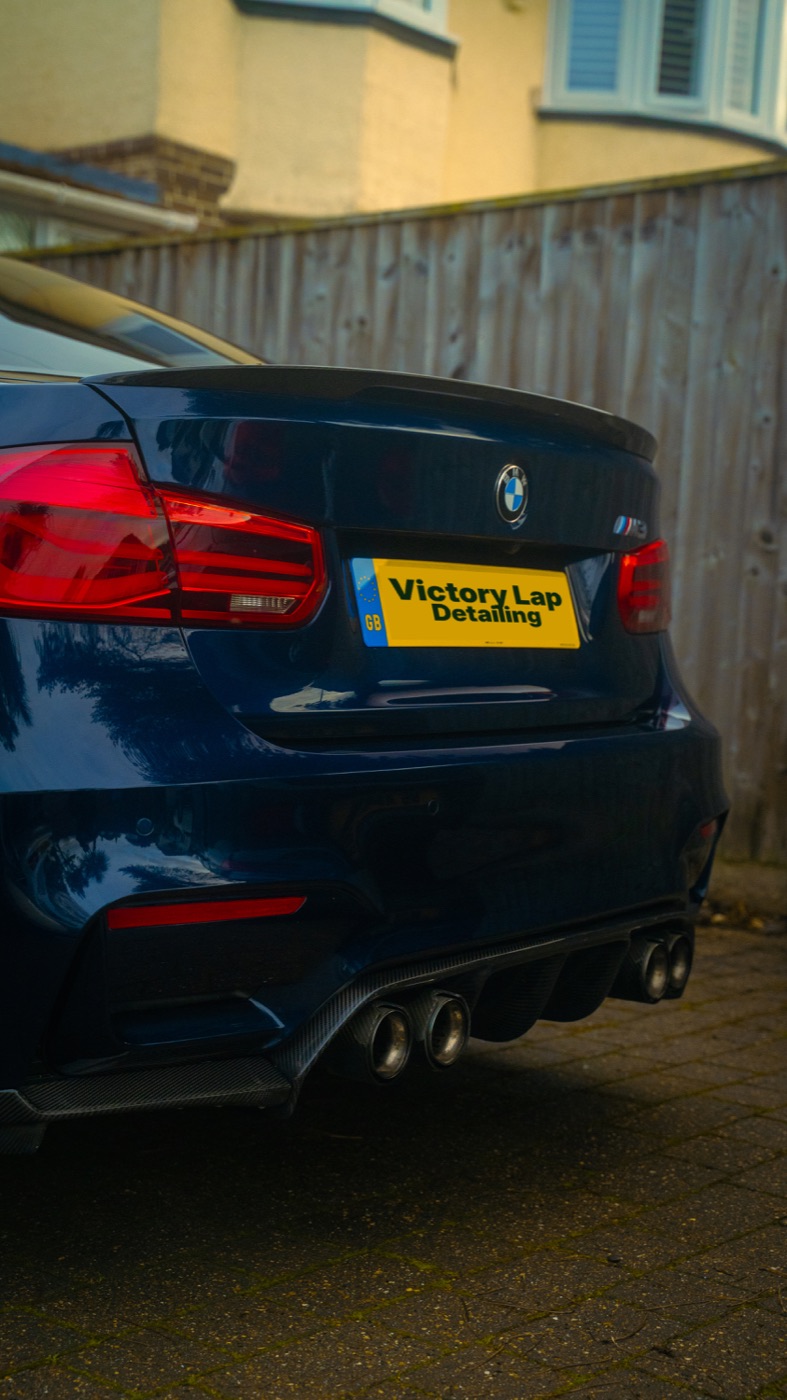
After — Victory Lap Detailing
Before
↔
BeforeAfter

Get Your Price

Estimated Price —
Book Now →
Optional Add-Ons
Pet Hair Removal+£45
Engine Bay Clean+£45
Leather Conditioning+£50
Carpet Protection+£40
Wax Sealant+£35
Odour Neutralisation+£55

Add any of these when you book and we'll include them in your quote.

100%

100% Satisfaction Guarantee — or it's not finished

If you're not completely happy when we hand the keys back, we'll put it right there and then. We don't pack up until you're delighted.
Book This Service Ask a Question

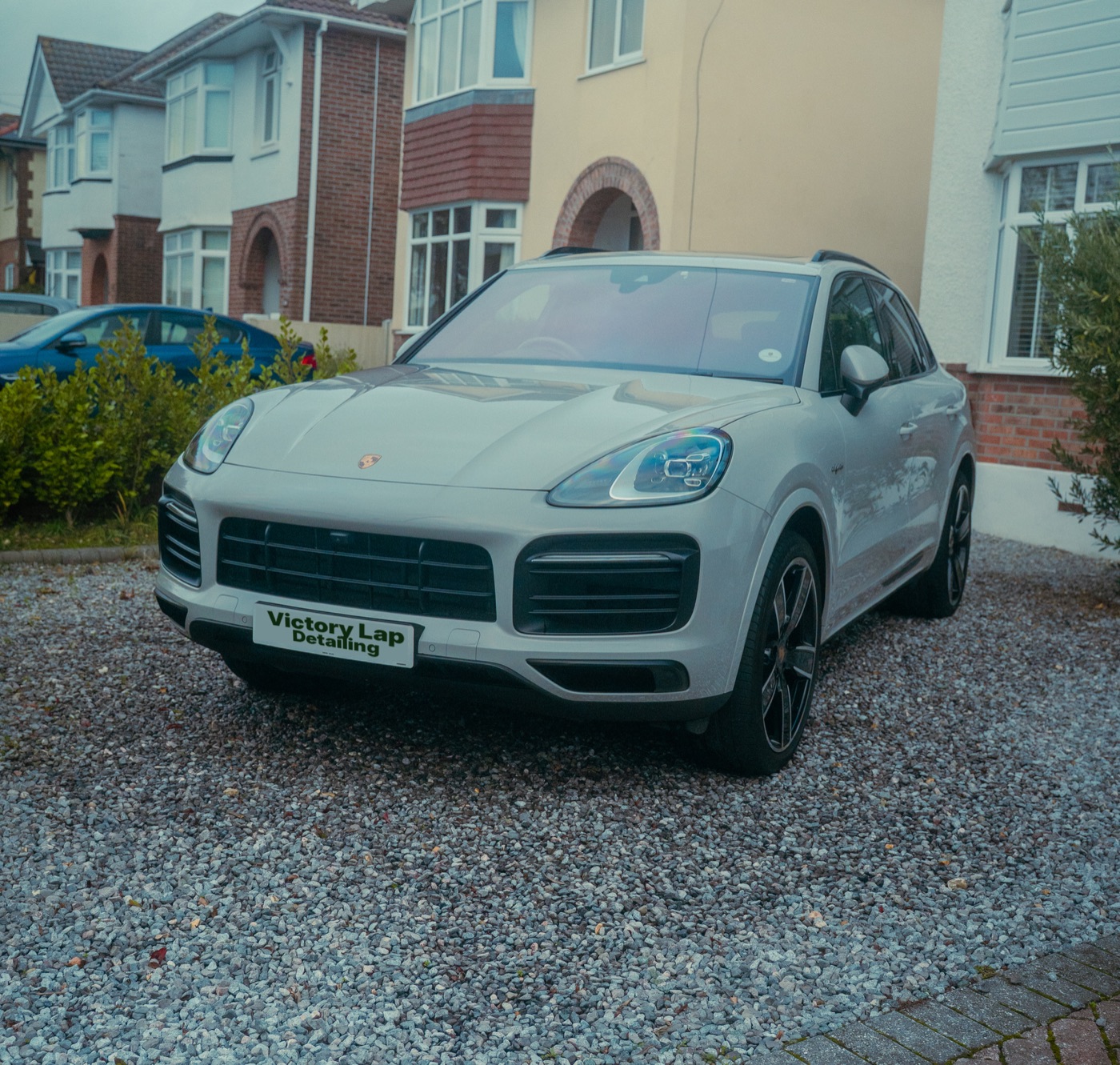
The Victory Lap Finish

Real details across Bournemouth, Poole, Christchurch & Dorset.

What's Actually Happening to Your Paint

Your car's paint isn't one layer — it's four. A metal panel, a primer, the colour base coat, and on top a clear coat: a transparent lacquer roughly 40–50 microns thick. Almost everything you perceive as "shine" is light reflecting off that clear coat.

When the clear coat is perfectly flat, light bounces back in one direction and paint looks deep and glossy. When it's covered in thousands of microscopic scratches, light scatters in every direction instead — which your eye reads as dull, hazy, tired paintwork.

Cross-section of car paint before and after machine polishing Car paint is built from a panel, primer, colour base coat and a clear lacquer on top. Swirl marks are fine scratches cut into the clear coat. Machine polishing levels a few microns off the clear coat so the surface is flat again and reflects light cleanly. BEFORE SWIRLS CUT INTO THE LACQUER LIGHT SCATTERS CLEAR COAT COLOUR BASE PRIMER PANEL DULL · HAZY · LOW REFLECTION AFTER SURFACE LEVELLED FLAT REFLECTS CLEANLY ORIGINAL SURFACE DEEP GLOSS · SHARP REFLECTION

Why polishing is permanent and wax isn't. Swirl marks are physical scratches cut into the clear lacquer. A wax or "scratch remover" fills them so they hide for a few washes. Machine polishing levels the surrounding clear coat down until the surface is flat again — so the scratch is gone, not hidden.

How We Do It

1

Safe wash and decontamination

Snow-foam pre-wash, two-bucket hand wash, then chemical and mechanical decontamination. Any grit left on the surface would be dragged around by the machine, so nothing starts until the paint is surgically clean.

2

Inspection under proper lighting

Paint defects are invisible under normal daylight. We inspect with dedicated inspection lighting to see the true extent of swirling, holograms and any deeper scratches, so we know exactly what we're dealing with.

3

Test panel and paint reading

We test a small section first to find the least aggressive pad and compound combination that clears the defects. Japanese clear coats are typically soft, German ones hard — the same approach on both would be a mistake.

4

Machine polishing

The paint is worked panel by panel with a dual-action polisher, levelling the clear coat and refining it back to a high gloss. This is the slow part, and it's the part that can't be rushed.

5

Protection

Freshly corrected paint is bare. We seal it with a wax or sealant as standard — or a ceramic coating if you want the result to last years rather than months.

What Stage 1 Can and Can't Do

What it fixes

  • Swirl marks and wash-induced scratches
  • Holograms from previous machine work
  • Oxidation and dull, faded lacquer
  • Light water spotting and etching
  • Loss of gloss, depth and reflection clarity

What it can't fix

  • Scratches deep enough to catch a fingernail
  • Stone chips and paint chips
  • Dents, creases or panel damage
  • Cracked, peeling or failed lacquer
  • Anything already through to primer or bare metal

If we inspect your car and think the paint needs more than a Stage 1 — or genuinely doesn't need one at all — we'll tell you before you commit.

Paint Correction FAQs

What are swirl marks and where do they come from?
Swirl marks are the fine, circular scratches you notice in direct sunlight or under a petrol-station light. They're almost always caused by washing: automatic rollover car washes, a dirty wash mitt, or drying with a rough towel. Each drags grit across the lacquer and leaves a scratch.
How is machine polishing different from waxing?
Wax adds a layer on top and temporarily fills defects, so swirls look reduced for a few washes then reappear. Machine polishing removes a very small amount of clear coat to level the surface, so the scratch is physically gone. It's a correction, not a cover-up.
Will Stage 1 remove every scratch?
No, and anyone promising that isn't being straight with you. Stage 1 removes the majority of light swirling, holograms and oxidation. If your fingernail catches in a scratch it has gone through the clear coat, and no amount of polishing will remove it — that needs paint.
Is machine polishing safe? Does it thin the paint?
It removes a few microns of clear coat from a layer that's typically 40–50 microns thick, so a car can safely be corrected several times over its life. The risk comes from inexperience and overly aggressive compounds. We match pad and compound to your specific paint and work conservatively.
How long do the results last?
The correction itself is permanent — that clear coat has been levelled. How long it *looks* corrected depends entirely on how the car is washed afterwards. Go back to an automatic rollover wash and the swirls return within months. Safe hand washing, and ideally a ceramic coating, keeps it.
Stage 1 or Stage 2 — which do I need?
Stage 1 is a single-stage polish and suits most daily-driven cars with light to moderate swirling. Stage 2 adds a cutting stage first for deeper defects. We assess your paint in proper lighting and recommend honestly — most cars genuinely don't need Stage 2.

What Dorset Drivers Say

★★★★★ 5.0 rating · 30+ Google reviews

Local Pages

CallBook Now